Strong Hubs of Production, Exports, and Trade
Free zones, which are among the key elements representing the Turkish economy’s vision of production- and export-driven growth, recorded a total trade volume of $14.34 billion in the first half of 2026. Compared to the same period last year, the trade volume of free zones increased by 3.76 percent. This result once again demonstrated the effectiveness of free zones within international trade networks.
During a period marked by ongoing uncertainties in the global economy and fluctuations in trade, the performance of our free zones served as a concrete indicator of the Turkish economy’s vision for production- and export-driven growth.
Through their contributions to production, exports, investment, and employment in the first six months of 2026, our free zones continued to provide strong support for the country’s economic growth targets. The total trade volume in our free zones during the January–June 2026 period increased by 3.76 percent compared to the same period last year, reaching $14.34 billion. This result once again underscored the effectiveness of our free zones within international trade networks and their strong position within global value chains.
Free Zones Continue to Serve As Strategic Production Hubs
The increase in export performance is particularly noteworthy. Trade from our free zones to foreign markets rose to $6.56 billion, marking a 6.19 percent increase compared to the same period last year. This strong growth demonstrates that high-value-added production and export-oriented activities continue unabated in our free zones. This achievement not only contributes to the current account balance but also strengthens our country’s competitive edge in global markets.
Considering that the growth rate of Türkiye’s total goods exports stood at 3.6 percent during the same period, the pace of export growth in the free zones was approximately 1.7 times the national average. This result once again demonstrates that our free zones are not merely trade hubs but strategic production bases operating under a development model focused on production, value-added, technology, and exports. The export-oriented investment policies implemented in free zones are yielding concrete results through an approach that prioritizes strengthening production infrastructure, supporting high-value-added sectors, and integration into global supply chains.
In 2025, the ratio of exports to imports in free zones stood at 142 percent, while in the first six months of 2026, this ratio showed a significant increase to 160 percent. This result demonstrated that our free zones are not only expanding trade volume but are also further strengthening their role as production and export hubs that generate net foreign exchange for our country. The rise in the export-to-import coverage ratio indicates that the value added generated in free zones has increased, and that imported inputs are being transformed into higher-value-added products and introduced to international markets.
Leveraging the Export Capacity of Free Zones
In 2025, the share of high-tech products in exports from our free zones reached 6.2 percent. Considering that these products account for 3.8 percent of Türkiye’s total exports, it is evident that the share of high-tech products in exports from free zones is approximately 63 percent higher than the national average. This clearly demonstrates that these zones have become strategic production centers for our country in terms of advanced technology manufacturing, R&D-focused investments, and value-added exports.
Our free zones continue to provide our companies with a significant competitive advantage in accessing international markets. This performance is a key indicator that our free zone model—which strengthens high-tech production, export capacity, and the potential to attract international investment—is moving in the right direction. In the coming period, we will resolutely continue our policies centered on value-added production, exports, and high-quality investments; we will further increase the contribution of our free zones to our country’s export targets, the strengthening of the current account balance, and the “Türkiye Century” vision.
On the other hand, the 9.40 percent increase in trade from Türkiye to free zones, reaching $1.77 billion, demonstrates the vitality of production activities in our zones and the strong integration established with domestic supply chains. The increase in trade from SMEs in our country to free zones indicates that production capacity has expanded, that our industrialists are benefiting from the export capabilities of free zones, and that demand for domestically produced inputs is rising.
Leading Hubs for High-Quality İnvestments
The fact that trade from abroad to free zones also rose by 0.84 percent to $4.08 billion confirms that our free zones continue to hold appeal for international investors and global supply chains. Meanwhile, the modest decline in trade from the free zones to Türkiye—when considered alongside the higher proportion of products manufactured in free zones being directed toward international markets and the strong increase in export performance—indicates that production capacity for foreign markets has strengthened.
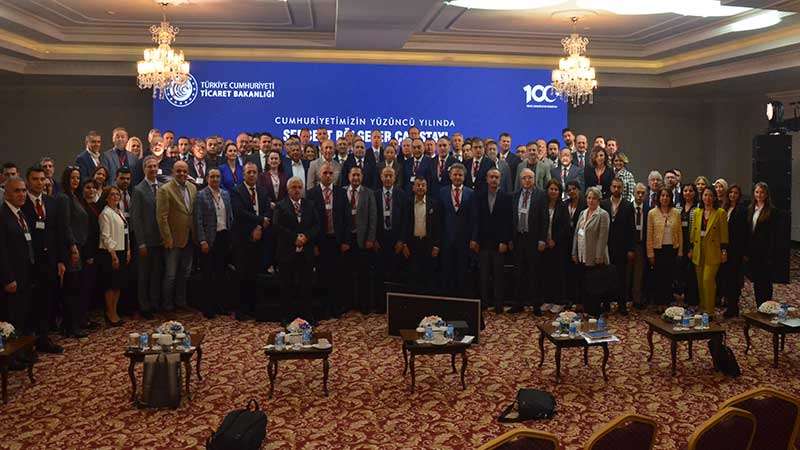
Free zones continue to develop as leading centers of production, exports, technological transformation, and high-quality investments in our country’s economy. We are continuing our collaborative efforts with the Ministry of Trade and SEBKİDER to implement policies and practices that will further enhance the competitiveness of our free zones—which boost value-added production, support exports, create jobs, and maintain their appeal to international investors.